

PZC Engineering Intelligence
Complex systems generate signals. Engineering intelligence determines what those signals actually reveal.
We approach aerospace and deep-tech problems through the governing physics, mathematical structure and available measurements — separating what can be inferred from what remains unresolved.
Our capability framework connects sensing and telemetry to physical state, diagnosis and decisions. Geometry, observability, inverse problems and uncertainty run across every layer.
Explore our capabilitiesA capability framework, not a claim of a finished commercial platform.
Five doors into difficult engineering.
Space and aerospace are our primary focus. These capability families organise the problems we address and the methods we develop; they do not imply flight heritage, certification or product availability.
Space Systems Intelligence
Telemetry, physical state and competing explanations. What changed — and what can the measurements actually establish?
Explore the problem space
Anomaly detection is not fault isolation, identification or prognosis. Our focus includes physics-informed diagnostics, state estimation, sensor fusion and uncertainty-aware monitoring, with explicit limits on what the available evidence can distinguish.
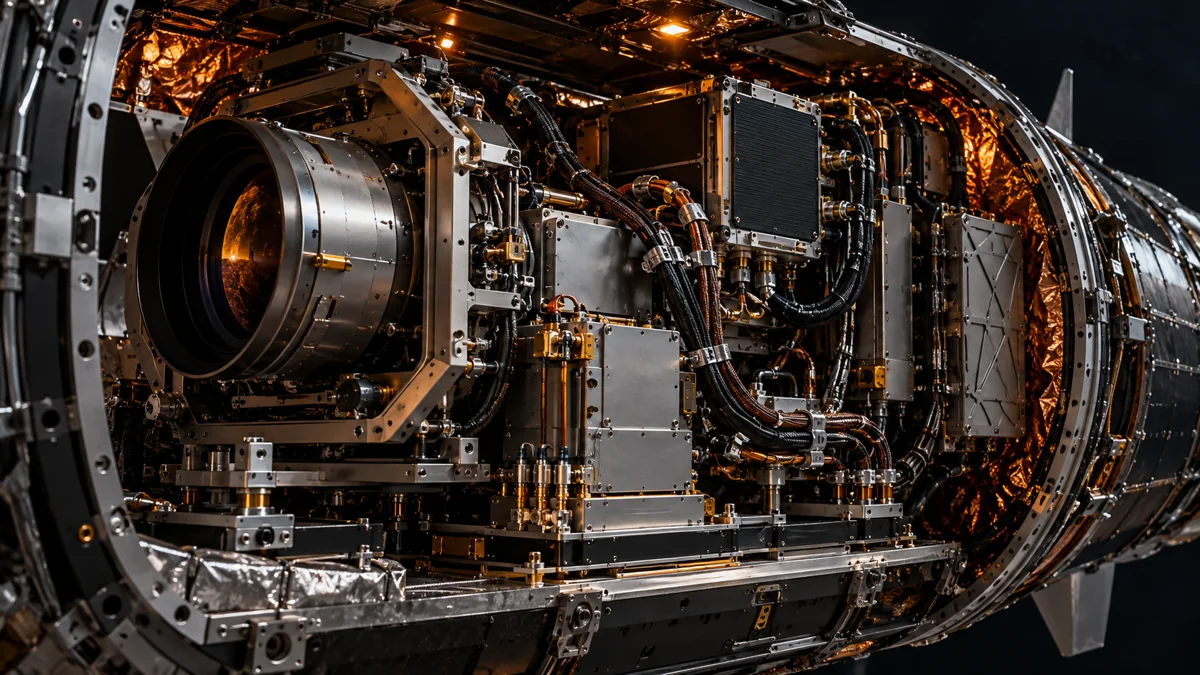
Flight Physics & Mission Mathematics
Geometry and observability. What can be known from an orbit, sensor configuration or measurement architecture?
Explore the problem space
Orbital and mission geometry, navigation mathematics, sensitivity analysis, estimation and uncertainty propagation. The emphasis is mathematical analysis and measurement design; no certified GNC or mission-operations capability is implied.
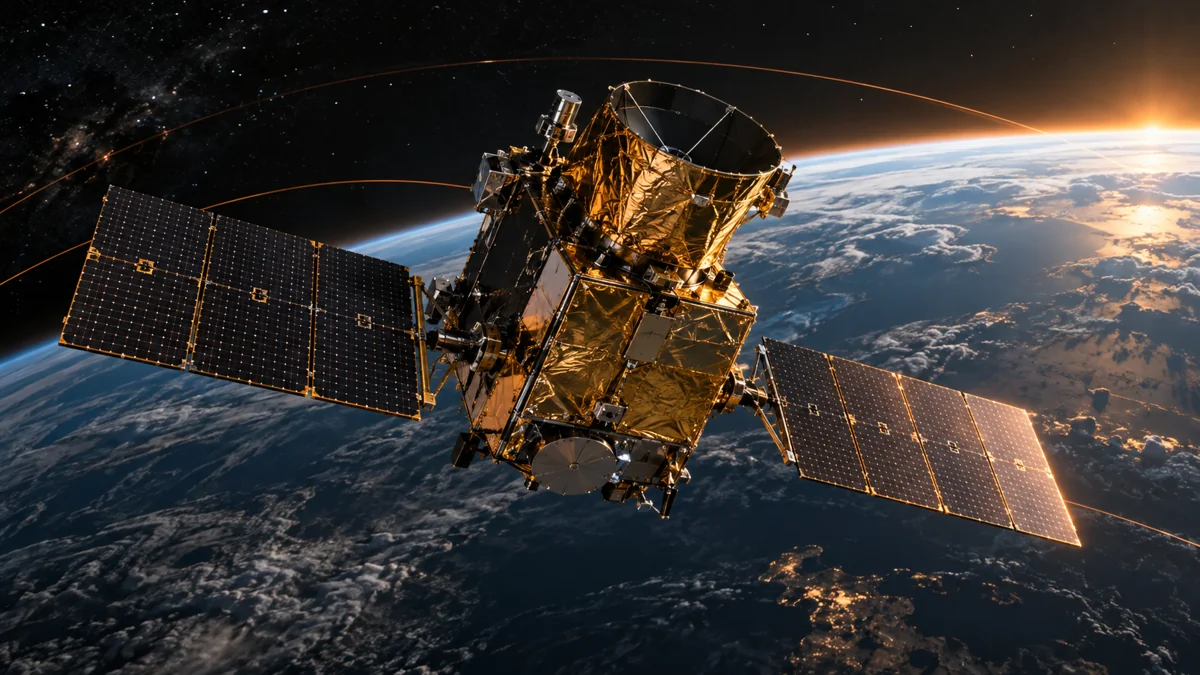
Aerospace Physics & Engineering
Physical understanding across fluid systems, structures, signals and sensing — grounded in the specific system under study.
Explore the problem space
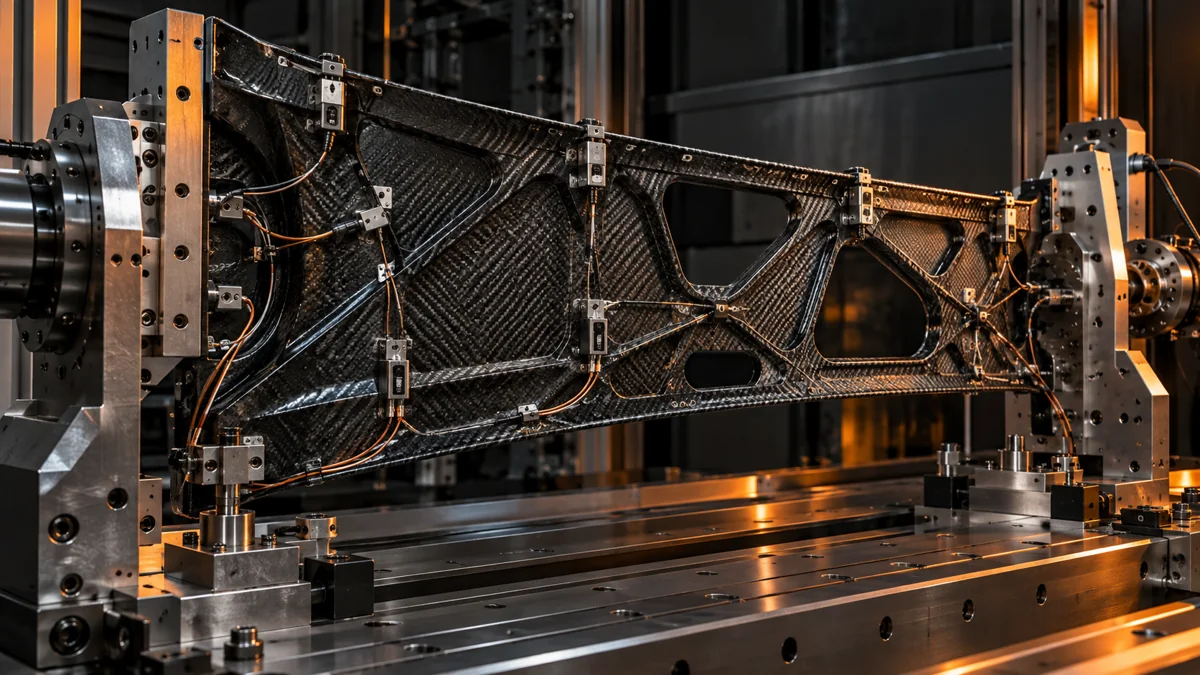
Propulsion and fluid-system questions; pressure, transients and measurement integrity; structural dynamics, composites and guided waves; spectral analysis and multimodal sensing. Scope and validation requirements are established for each engagement.
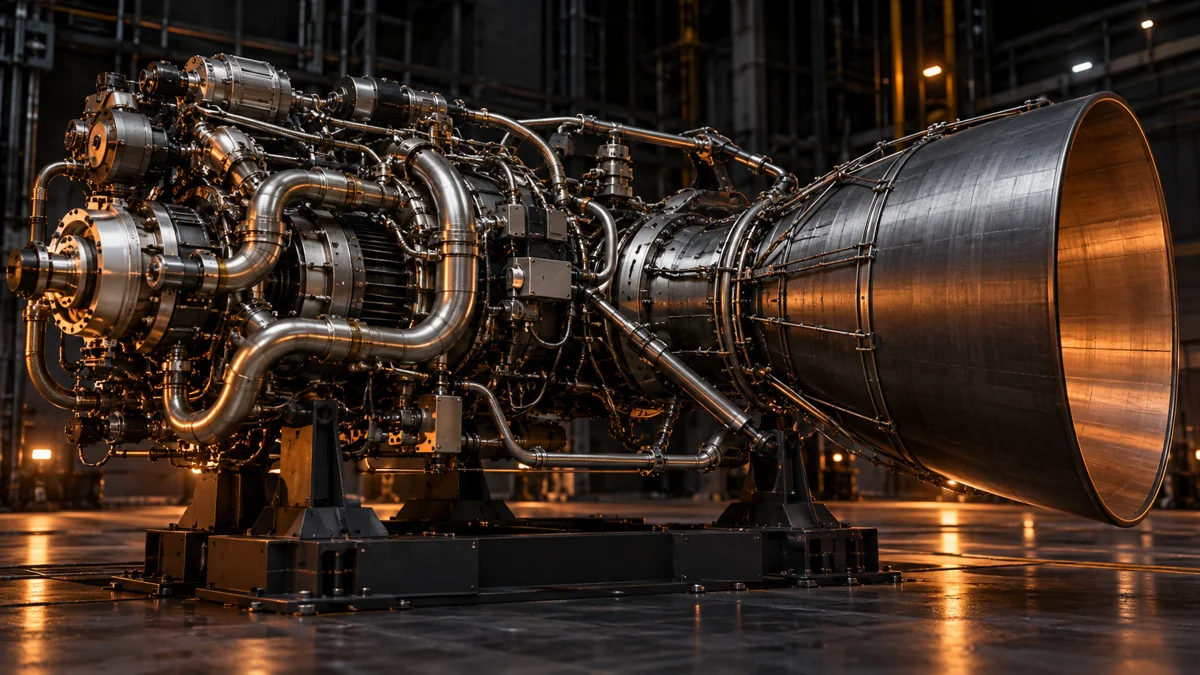
Deep-Tech R&D
Developing mathematical methods, sensing strategies and diagnostic approaches when existing tools are insufficient.
Explore the development focus
Research directions include inverse solvers, physics-informed algorithms, measurement strategies and digital engineering methods. Research, a demonstrated capability, a validated technology and a commercial product are distinct stages.
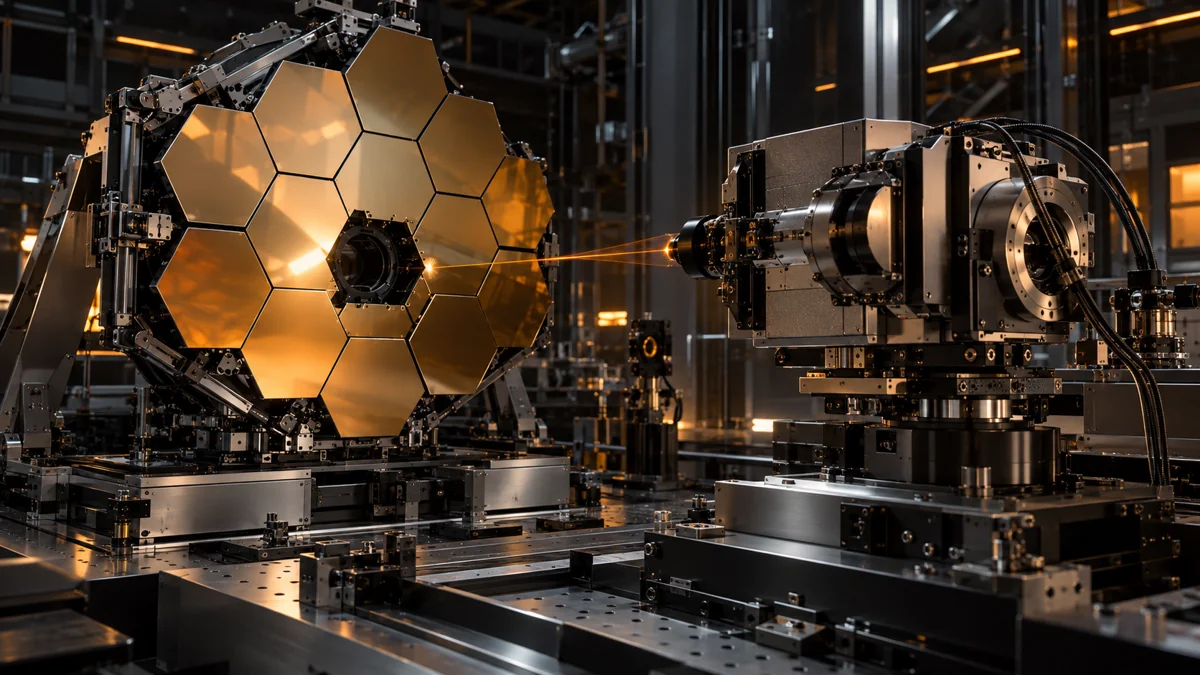
Technical Assurance
Independent scrutiny of physics, evidence, model assumptions and technical risk before an important decision.
Explore the problem space
Technical due diligence, engineering red teams, model validation and falsification, anomaly forensics and experimental design. Conclusions remain bounded by the evidence available and the agreed scope.
Solve the problem. Develop the method.
Understand, diagnose, test and resolve difficult engineering questions within defensible evidence bounds.
Create mathematical methods, physics-informed approaches and measurement strategies when standard tools do not answer the question.
Our R&D focus includes physical models linked to telemetry, state estimation and uncertainty. Development status and validation limits remain explicit.
Advanced engineering methods
Public disciplines and problem classes. Proprietary implementation remains private.
Different machines. Related mathematical problems.
Aerospace is our primary focus. Beyond aerospace, the starting point is a specific physical problem — not a promise that one solution fits every industry.
The discipline.
Start from the governing physics. Establish what the measurements can reveal. Test competing explanations and quantify what remains uncertain.
The application.
System dynamics, operating conditions, sensor behaviour and failure mechanisms belong to the application. Models, assumptions and conclusions require their own evidence and validation.
A non-space example: a vehicle thermal anomaly
Conceptual example · not a client case or validated productThe engineering question. Vehicle telemetry reports an unexpected temperature rise. Does the available evidence distinguish a physical thermal problem from a sensor or operating-condition effect?
The proposed work. Define the decision and competing explanations; review the measurements and their provenance; examine the relevant thermal model and uncertainty; identify which additional evidence would discriminate between explanations.
The useful output. An evidence review identifying what the current data supports, what remains ambiguous and which measurement or validation step is needed before a decision.
This illustrates the question structure. It does not claim a deployed diagnostic system, automatic transfer from spacecraft or a demonstrated vehicle result.
Energy · Automotive & motorsport · Advanced manufacturing · Critical infrastructure
What an engagement can deliver.
We agree the engineering question, available evidence and acceptance criteria before work begins. Depending on scope, the proposed deliverables may include:
Problem & evidence review
A defined decision, data inventory, assumptions and evidence gaps.
Model & inference assessment
A documented analysis of the physical model, uncertainty and limits of what can be inferred.
Measurement & validation plan
The tests, measurements or independent checks needed to challenge the conclusions.
Engineering decision brief
Supported conclusions, unresolved questions and recommended next steps, with traceable evidence.
Deliverables and disclosure are agreed per engagement. Research findings, analytical results and validated performance are reported as distinct states.
Discuss your system and decision