

Aerospace engineering.
From first principles.
Flight vehicles, propulsion systems and spacecraft are governed by coupled physical processes. We start with the laws that govern them.
Conservation of mass, momentum and energy. Constitutive behaviour. Boundary and initial conditions. The mathematical structure comes before the choice of model or technology.
PZC brings a physics-and-mathematics approach to difficult aerospace questions: what drives the system, what its measurements reveal, and which conclusions the evidence can defend.

Aerodynamics. Propulsion.
Flight dynamics. Coupled systems.
Our aerospace focus is organised around the physical system and the engineering decision. The regime, configuration and available evidence define the analysis.
Aerodynamics & aerothermodynamics
Compressible flow, pressure distributions, aerodynamic loads and heat transfer. Which flow regime, boundary conditions and modelling assumptions govern the result — and how sensitive is the conclusion to them?
Propulsion & propellant systems
Feed-system dynamics, pressure transients, flow measurement and thermal-fluid coupling. Can the measurements distinguish a physical disturbance, a component response and an instrumentation effect?
Flight dynamics & mission mathematics
Dynamical systems, orbital and sensor geometry, state estimation and uncertainty propagation. What can be reconstructed from the available trajectories and measurements, and where does observability break down?
Structures & multiphysics
Structural dynamics, vibration, modal behaviour and fluid–structure coupling. Which physical mechanisms explain the response, and which measurements can separate competing models?
These are engineering focus areas and problem classes. The analytical scope, evidence requirements and validation status are established for each engagement.
Derive the model.
Challenge the inference.
An impressive simulation is only useful when its assumptions, numerical behaviour and relationship to measurements can be examined.
Differential equations and dynamical systems provide the physical model. Inverse problems connect measurements to unknown states or parameters. Observability and identifiability determine what the data can resolve.
Verification examines the mathematical implementation. Validation examines the model against relevant physical evidence. We keep those questions distinct and report unresolved limits explicitly.
Engineering conclusions must withstand scrutiny.
Define the operating envelope. Trace the assumptions. Test competing explanations. Identify the evidence needed before a consequential decision.
Explore engagement deliverablesDiscuss an aerospace engineering challenge
Space, live.
NASA broadcasts and upcoming launches: a window into the wider space sector.
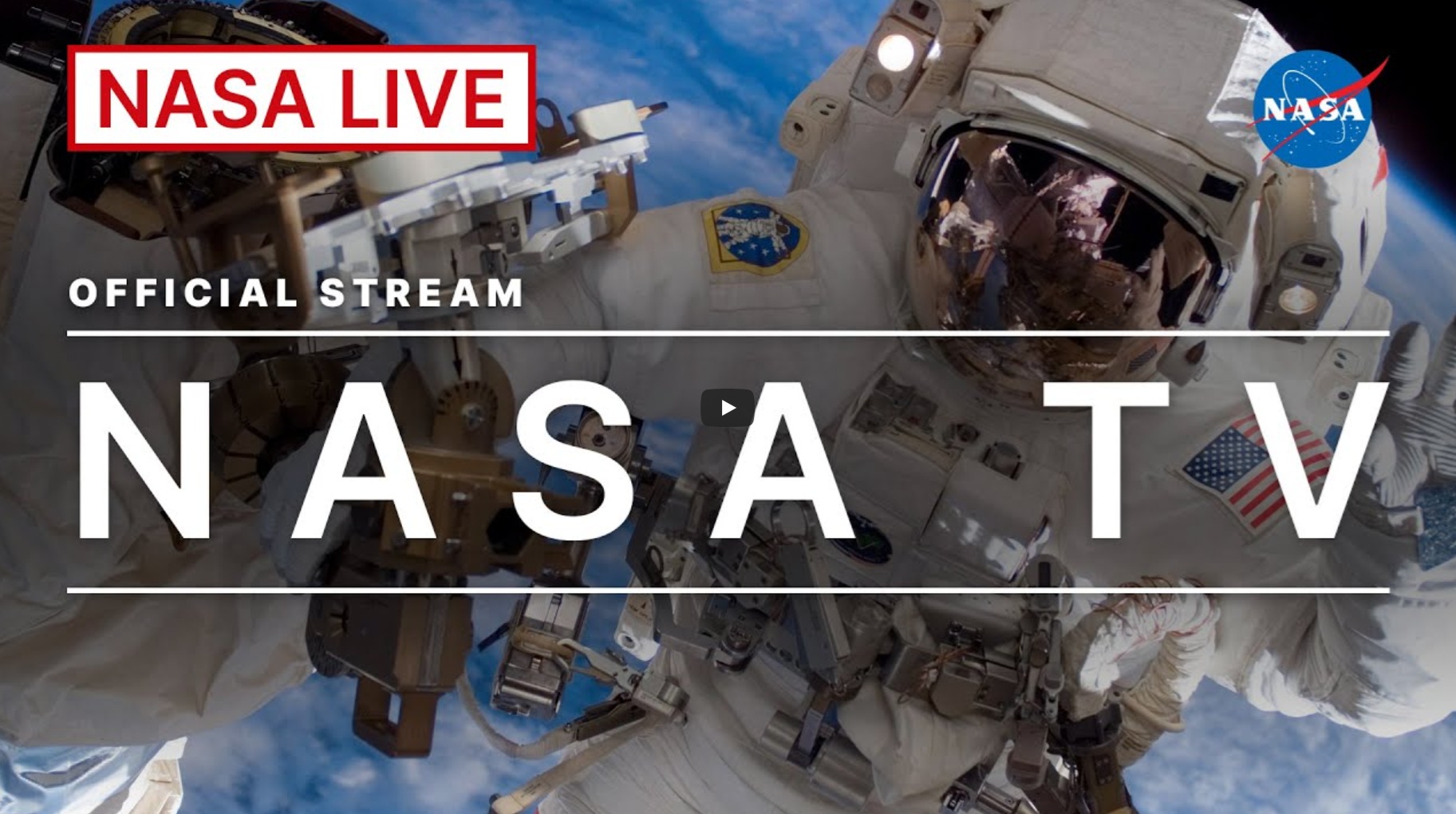
External editorial resource. NASA coverage does not imply a partnership, endorsement or PZC mission involvement.
Upcoming launches
Launch schedules are provided by RocketLaunch.Live and may change.